सविस्तर स्पष्टीकरण (Detailed Explanation):
अचूक उत्तर: पर्याय (2)
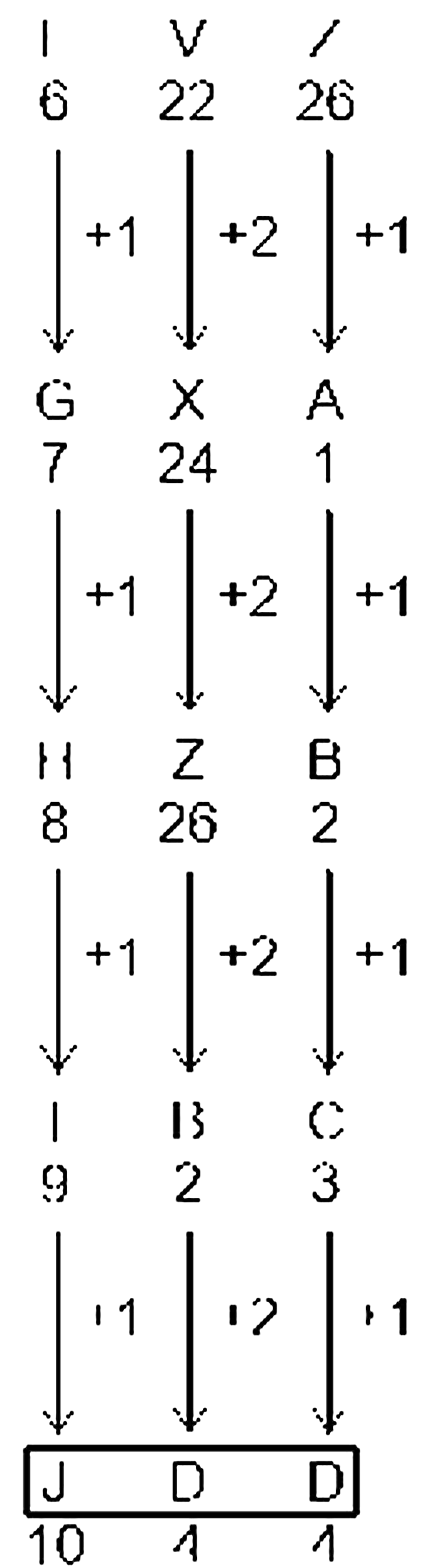
१. तार्किक नियम किंवा पॅटर्न: प्रत्येक स्थानावरील अक्षरांची स्वतंत्र मालिका तपासल्यास पहिल्या स्थानावरील अक्षरे F, G, H, I या क्रमाने प्रत्येकी एक स्थान पुढे जातात. दुसऱ्या स्थानावरील अक्षरे V, X, Z, B या क्रमाने प्रत्येकी दोन स्थानांनी पुढे जातात; Z नंतर वर्णमालेचे चक्र पुन्हा A पासून सरू होते. तिसऱ्या स्थानावरील अक्षरे Z, A, B, C या क्रमाने प्रत्येकी एक स्थान पुढे जातात; Z नंतर A येते. २. पायरी-दर-पायरी विश्लेषण: पहिल्या स्थानासाठी F(6), G(7), H(8), I(9) यानंतर J(10) येते. दुसऱ्या स्थानासाठी V(22), X(24), Z(26), B(2) यानंतर D(4) येते. तिसऱ्या स्थानासाठी Z(26), A(1), B(2), C(3) यानंतर D(4) येते. त्यामुळे पुढील अक्षरसमूह JDD होतो. ३. अंतिम निष्कर्ष: मालिकेतील पुढील पद JDD असून योग्य उत्तर पर्याय २ आहे.
1. Logical Rule / Pattern Identification: Examine each letter position independently. The first letters F, G, H, I advance by one position each time. The second letters V, X, Z, B advance by two positions, wrapping around to A after Z. The third letters Z, A, B, C advance by one position, also wrapping around after Z. 2. Step-by-Step Deductive Analysis: First position: F(6), G(7), H(8), I(9), so the next letter is J(10). Second position: V(22), X(24), Z(26), B(2), so the next letter is D(4). Third position: Z(26), A(1), B(2), C(3), so the next letter is D(4). Combining these letters gives JDD. 3. Final Conclusion: The next term is JDD, making Option 2 the correct answer.
स्पष्टीकरण आकृती (Solution Visual Diagram):
Z नंतर वर्णमाला संपते म्हणून पुढील अक्षर मिळू शकत नाही, असा चुकीचा समज करू नका. अशा अक्षरमालिकांमध्ये वर्णमालेचे चक्राकार गणन वापरले जाते. त्यामुळे Z नंतर A आणि आवश्यकतेनुसार पुढे B, C, D येतात. तसेच प्रत्येक पदातील तीन अक्षरांवर एकच वाढीचा नियम लावण्याऐवजी प्रत्येक स्थानावरील अक्षरांची स्वतंत्र मालिका तपासा.
Do not stop the sequence at Z. Alphabet series questions commonly use cyclic progression, where Z is followed by A. Another common mistake is to apply one uniform increment to the entire three-letter group. Instead, analyze each letter position separately and verify every proposed answer against all three patterns.
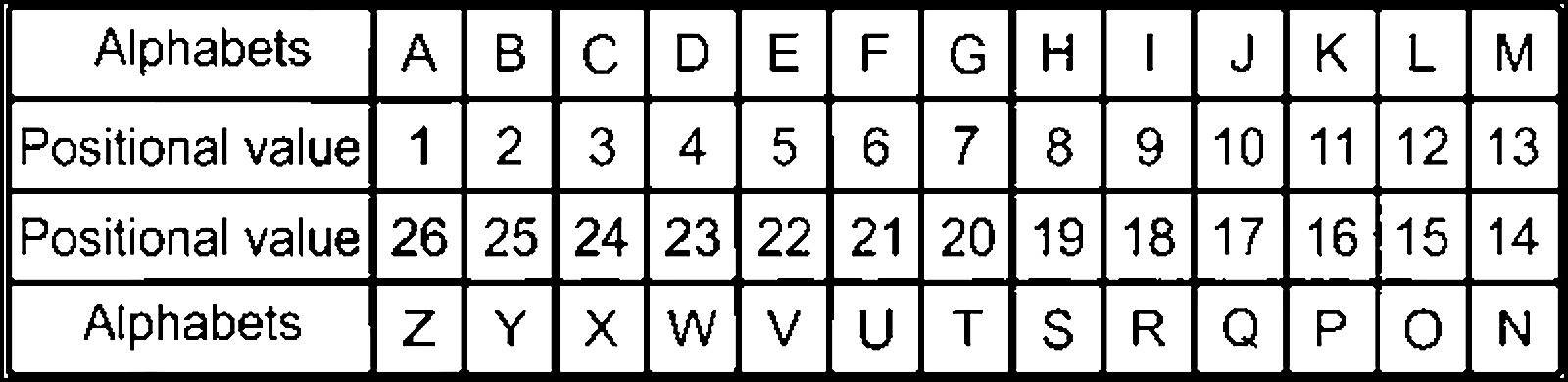
अक्षरमालिका सोडवताना पहिली, दुसरी आणि तिसरी अक्षरे स्वतंत्र स्तंभांत लिहा आणि प्रत्येक स्तंभातील स्थानांतर मोजा. A=1 ते Z=26 अशी स्थानमूल्ये वापरा. चक्राकार गणनेसाठी Z नंतर A येते हे लक्षात ठेवा. या उदाहरणात वाढीचे नियम अनुक्रमे +1, +2 आणि +1 आहेत.
Write the terms in three separate columns and calculate each column's positional change. Use A=1 through Z=26, remembering that progression wraps around after Z. Here, the increments are +1, +2, and +1 for the first, second, and third positions respectively.
पर्याय १ (IED): पहिल्या स्थानावर I येते, परंतु I नंतर J येणे आवश्यक आहे. दुसऱ्या स्थानावर E येते, परंतु Z नंतर B आणि B नंतर D असा दोन स्थानांचा क्रम आहे. पर्याय ३ (IEF): पहिल्या स्थानावरील I आणि दुसऱ्या स्थानावरील E हे अपेक्षित क्रमाशी जुळत नाहीत; तिसऱ्या स्थानावर F ऐवजी D यायला हवे. पर्याय ४ (KDF): पहिल्या स्थानावर J ऐवजी K दिले आहे. I नंतर एक स्थान पुढे गेल्यावर J येते, K नाही. त्यामुळे हे तिन्ही पर्याय नियमाचे उल्लंघन करतात.
Option 1 (IED): The first letter should be J rather than I. The second letter should be D rather than E, since the second-letter sequence advances by two positions with wraparound. Option 3 (IEF): The first and second letters violate their respective sequences, and the third letter should be D rather than F. Option 4 (KDF): The first letter should be J, because the sequence advances from I by exactly one position, not two. Therefore, none of these alternatives satisfies all three positional patterns.