सविस्तर स्पष्टीकरण (Detailed Explanation):
अचूक उत्तर: पर्याय (4)
१. मूलभूत वैज्ञानिक संकल्पना: सहसंयुज बंध हा दोन अणूंमध्ये इलेक्ट्रॉन जोड्यांच्या सामायिकीकरणामुळे तयार होतो. सामान्यतः समान प्रकारच्या अणूंमधील बंधांची तुलना करताना बंध क्रमांक वाढल्यास बंध सामर्थ्य वाढते आणि बंध लांबी कमी होते. २. कार्यपद्धती व सूत्र: एकेरी बंधामध्ये एक सामायिक इलेक्ट्रॉन जोडी, दुहेरी बंधामध्ये दोन आणि तिहेरी बंधामध्ये तीन सामायिक इलेक्ट्रॉन जोड्या असतात. त्यानुसार बंध क्रमांक अनुक्रमे १, २ आणि ३ असतो. उदाहरणार्थ, नायट्रोजन रेणूमध्ये N≡N बंधाची बंध विच्छेदन एन्थाल्पी सुमारे 946 kJ mol⁻¹ असते, तर ऑक्सिजन रेणूमधील O=O बंधासाठी ती सुमारे 498 kJ mol⁻¹ असते. बंध सामर्थ्याचे परिमाण बंध विच्छेदन एन्थाल्पीने व्यक्त करता येते; तिचे एकक kJ mol⁻¹ आहे. ३. उपयोजन व पाठ्यपुस्तक संदर्भ: बंध क्रमांक, बंध लांबी आणि बंध एन्थाल्पी यांतील संबंध रेणूंची स्थिरता व रासायनिक अभिक्रियांची ऊर्जा समजण्यासाठी उपयुक्त आहे. हा सामान्य नियम असून प्रत्यक्ष बंध सामर्थ्य अणूंचा प्रकार आणि रेणूचे रासायनिक वातावरण यांवरही अवलंबून असते. संदर्भ: NCERT इयत्ता ११ वी, रसायनशास्त्र, Chemical Bonding and Molecular Structure.
1. Fundamental scientific principle: A covalent bond forms when atoms share electron pairs. When comparing bonds between the same type of atoms, bond strength generally increases with bond order, while bond length decreases. 2. Mechanism and formula: A single bond contains one shared electron pair, a double bond contains two, and a triple bond contains three. Their bond orders are 1, 2 and 3, respectively. For example, the N≡N bond in nitrogen has a bond dissociation enthalpy of approximately 946 kJ mol⁻¹, whereas the O=O bond in oxygen has a value of approximately 498 kJ mol⁻¹. Bond strength can be quantified using bond dissociation enthalpy, expressed in kJ mol⁻¹. 3. Practical application and textbook reference: The relationship among bond order, bond length and bond enthalpy helps explain molecular stability and the energy changes associated with chemical reactions. This is a general trend, not an exceptionless rule: actual bond strength also depends on the atoms involved and their molecular environment. Reference: NCERT Class 11 Chemistry, Chemical Bonding and Molecular Structure.
स्पष्टीकरण आकृती (Solution Visual Diagram):
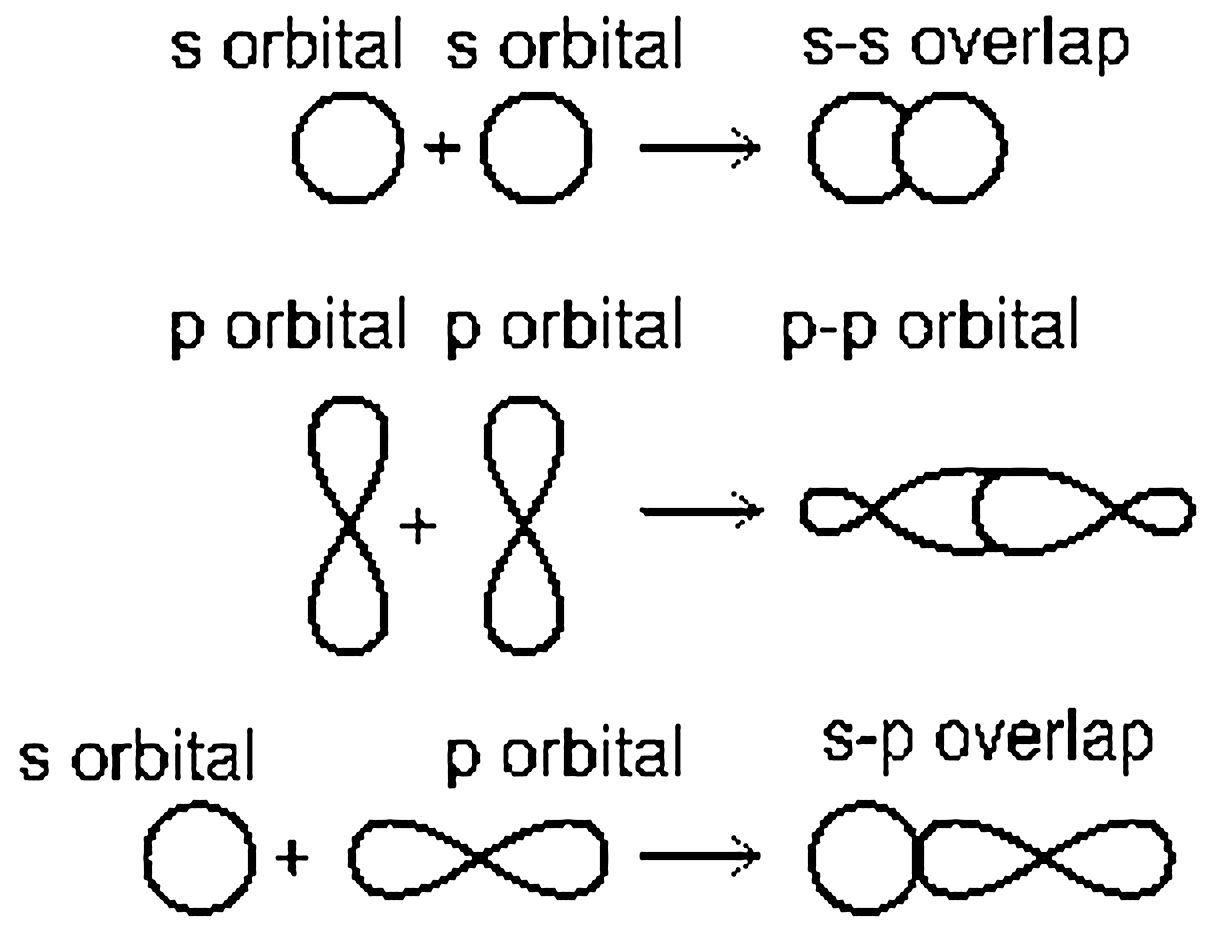
बंध सामर्थ्य आणि बंध लांबी यांचे संबंध परस्परविरुद्ध असतात: बंध क्रमांक वाढल्यास सामान्यतः बंध सामर्थ्य वाढते, परंतु बंध लांबी कमी होते. आणखी एक महत्त्वाचा मुद्दा म्हणजे एकेरी बंधात सामान्यतः एक σ बंध, दुहेरी बंधात एक σ व एक π बंध, तर तिहेरी बंधात एक σ व दोन π बंध असतात. मात्र वेगवेगळ्या अणूंच्या बंधांची तुलना करताना केवळ बंध क्रमांकावरून नेहमीच अचूक सामर्थ्य ठरवता येत नाही.
Do not confuse bond strength with bond length. As bond order generally increases, bond strength increases while bond length decreases. A single bond usually consists of one σ bond; a double bond consists of one σ and one π bond; and a triple bond consists of one σ and two π bonds. However, bond order alone does not determine the exact strength when bonds between different atoms or in different molecular environments are compared.
स्मृतीसूत्र: 'बंध क्रमांक वाढे, सामर्थ्य वाढे; लांबी घटे.' एकेरी = १ सामायिक जोडी, दुहेरी = २ जोड्या, तिहेरी = ३ जोड्या.
Memory rule: 'Higher bond order, generally stronger bond, shorter length.' Single = 1 shared pair; double = 2 shared pairs; triple = 3 shared pairs.
पर्याय १ चुकीचा आहे, कारण तो तिहेरी बंधाला सर्वांत कमकुवत ठरवतो; सामान्यतः तिहेरी बंध अधिक मजबूत असतो. पर्याय २ चुकीचा आहे, कारण त्यातील असमानता एकेरी बंध सर्वांत मजबूत असल्याचे सूचित करते. पर्याय ३ चुकीचा आहे, कारण तिन्ही बंधांचे बंध क्रमांक आणि सामान्यतः त्यांची बंध एन्थाल्पी समान नसतात. योग्य सामान्य क्रम तिहेरी > दुहेरी > एकेरी असा आहे.
Option 1 is incorrect because it places the triple bond below the single bond in strength. Option 2 incorrectly implies that the single bond is stronger than the double and triple bonds. Option 3 is incorrect because single, double and triple bonds have different bond orders and generally different bond enthalpies. The usual decreasing order is triple > double > single.