
Polity
Basics of Constitution
पडताळलेले उत्तर (Verified)
MPSC सराव प्रश्न:
खालीलपैकी कोणता 'सत्यमेव जयते'चा स्रोत आहे?
Which among the following is the source of ‘Satyameva Jayate’
पर्याय (Options):
A
यजुर्वेद
B
ऋग्वेद
C
अचूक उत्तर (Official Answer)
मुंडक उपनिषद
D
यापैकी नाही
सविस्तर स्पष्टीकरण (Detailed Explanation):
अचूक उत्तर: पर्याय (3)
" मुंडक उपनिषद " हे योग्य उत्तर आहे.
महत्त्वाची टीप:
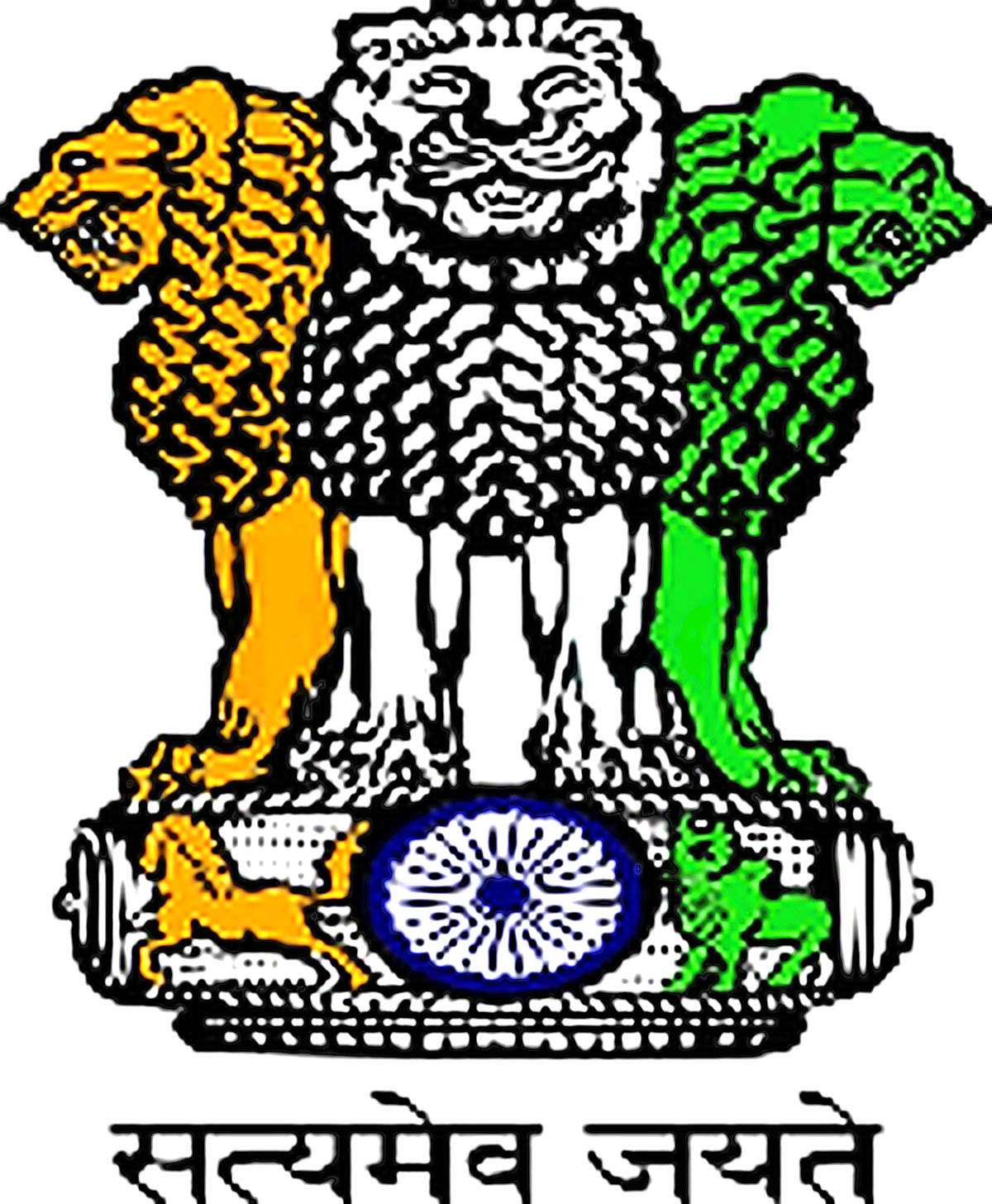
• मुंडक उपनिषदातील 'सत्यमेव जयते' हा शब्द, ज्याचा अर्थ 'सत्याचाच विजय होतो' असा होतो, ते देवनागरी लिपीत स्तंभशीर्षाच्या खाली कोरलेले आहेत.
• 26 जानेवारी 1950 रोजी भारत सरकारने स्वीकारलेल्या राज्य चिन्हात केवळ तीन सिंह दृश्यमान आहेत, चौथा सिंह दृश्यमान नाही.
• स्तंभशीर्षाच्या मध्यभागी एक आकृतीबद्ध चक्र दिसते, उजवीकडे बैल आणि डावीकडे घोडा आहे आणि उजवीकडे आणि डावीकडे इतर चक्रांची रूपरेषा आहे.
• घंटाकृती कमळ वगळण्यात आले आहे.
• राज्य चिन्ह हे अशोकाच्या सारनाथ सिंह राजधानीचे (अशोकस्तंभ) रूपांतर आहे.
पूरक माहिती:
• मुंडक उपनिषद:
• मुंडक उपनिषद हा उपनिषदांच्या प्रकारांपैकी एक आहे.
• उपनिषद या शब्दाचा अर्थ एखाद्याच्या जवळ बसून विद्या ग्रहण करणे असा आहे, जो एखादा विद्यार्थी आपल्या गुरूजवळ विद्या ग्रहण करण्यासाठी बसला आहे हे दर्शवतो.
• बहुतेक हिंदू परंपरांचे पवित्र धर्मग्रंथ, वेद एकत्रितपणे तयार करणाऱ्या चार प्रकारच्या ग्रंथांपैकी हे एक आहेत.
• मुंडक उपनिषद अथर्ववेदात अंतर्भूत आहे.
• मुंडक उपनिषदात तीन मुंडकम (भाग) आहेत, प्रत्येकाचे दोन विभाग आहेत.
• पहिले मुंडकम "श्रेष्ठ ज्ञान" आणि "कनिष्ठ ज्ञान" याचे शास्त्र परिभाषित करते.
• दुसरे मुंडकम ब्रह्म, स्वतःचे स्वरूप, अनुभवजन्य जग आणि ब्रह्म यांच्यातील संबंध यांचे वर्णन करते.
• सत्यमेव जयते हे या उपनिषदातून घेतले गेले आहे.
स्पष्टीकरण आकृती (Solution Visual Diagram):
Solution Diagram