
Geography
Geomorphology
पडताळलेले उत्तर (Verified)
MPSC सराव प्रश्न:
स्तंभ A आणि स्तंभ B च्या जोड्या जोडा: +----------------------+-----------------+ | स्तंभ A (खडक प्रकार) | स्तंभ B (खडक) | +----------------------+-----------------+ | a. बाह्य अग्निज खडक | I. ग्रॅनाइट | | b. आंतर अग्निज खडक | II. गिनीसोइड | | c. गाळाचा खडक | Ill. बेसाॅल्ट | | d. रुपांतरित खडक | IV. कांग्लोमरेट | +----------------------+-----------------+
Match the pairs of column A and column B: +---------------------------+------------------+ | Column A (Type of Rock) | Column B (Rock) | +---------------------------+------------------+ | a. Extrusive Igneous Rock | I. Granite | | b. Intrusive Igneous Rock | II. Gneissoid | | c. Sedimentary Rock | Ill. Basalt | | d. Metamorphic Rock | IV. Conglomerate | +---------------------------+------------------+
पर्याय (Options):
A
a - I, b - III, c - IV, d - II
B
a - IV, b - I, c - II, d - III
C
अचूक उत्तर (Official Answer)
a - III, b - I, c - IV, d - II
D
a - II, b - III, c - IV, d - I
सविस्तर स्पष्टीकरण (Detailed Explanation):
अचूक उत्तर: पर्याय (3)
योग्य उत्तर a - III, b - I, c - IV, d - II आहे.
• बाह्य अग्निज खडक - बेसाॅल्ट
• आंतर अग्निज खडक- ग्रॅनाइट
• गाळाचा खडक- कांग्लोमरेट
• रुपांतरित खडक - गिनीसोइड
स्पष्टीकरण -
• खडक हे खनिजांचे गट आहेत, जे रासायनिक बंधने एकत्र बांधले जातात.
• खडक तीन प्रकारचे आहेत-
• अग्निज खडक- जेव्हा मॅग्मा आणि लावा थंड होतात आणि घट्ट होतात तेव्हा ते तयार होतात.
• उदाहरणार्थ- ग्रॅनाइट, गॅब्रो, बेसाल्ट.
• गाळाचा खडक- लिथिफिकेशन प्रक्रियेद्वारे जेव्हा खडक निक्षेपाचे तुकडे एकत्र होतात तेव्हा ते तयार होतात.
• वालुकामय खडक म्हणजे गाळयुक्त खडक होय, ज्यांच्या कणांचा आकार 0.06 मिमी ते 2 मिमी दरम्यान असतो.
• उदा. कांग्लोमरेट
• रुपांतरित खडक- जेव्हा खडक पुन्हा प्रक्रिया करण्याच्या प्रक्रियेत जातात, तेव्हा ते तयार होतात.
• उदा - स्लेट, संगमरवर, क्वार्टझाइट, गिनीसोइड
• कार्बोनेसियस पदार्थांच्या रुपांतरापासून ग्राफाइटची निर्मिती होते.
पूरक माहिती:
अग्निज खडकांचे वर्गीकरण-
• आंतर
• बाह्य
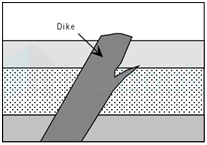
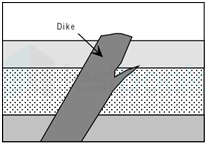
• आंतर अग्निज खडक हे प्लूटोनिक खडक आहेत, जे जेव्हा मॅग्मा मोठ्या गहनतेने सावकाश थंड होतात तेव्हा तयार होतात. डायक्स आणि सिल्स हे आंतर अग्निज खडकांचे सर्वसामान्य प्रकार आहेत.
• बाह्य अग्निज खडक म्हणजे लावा किंवा ज्वालामुखीचे खडक, जे पृथ्वीच्या पृष्ठभागाच्या अगदी खालीच मॅग्मा अचानक थंड झाल्याने तयार होतात. उदाहरण - बेसाॅल्ट.
स्पष्टीकरण आकृती (Solution Visual Diagram):
Solution Diagram