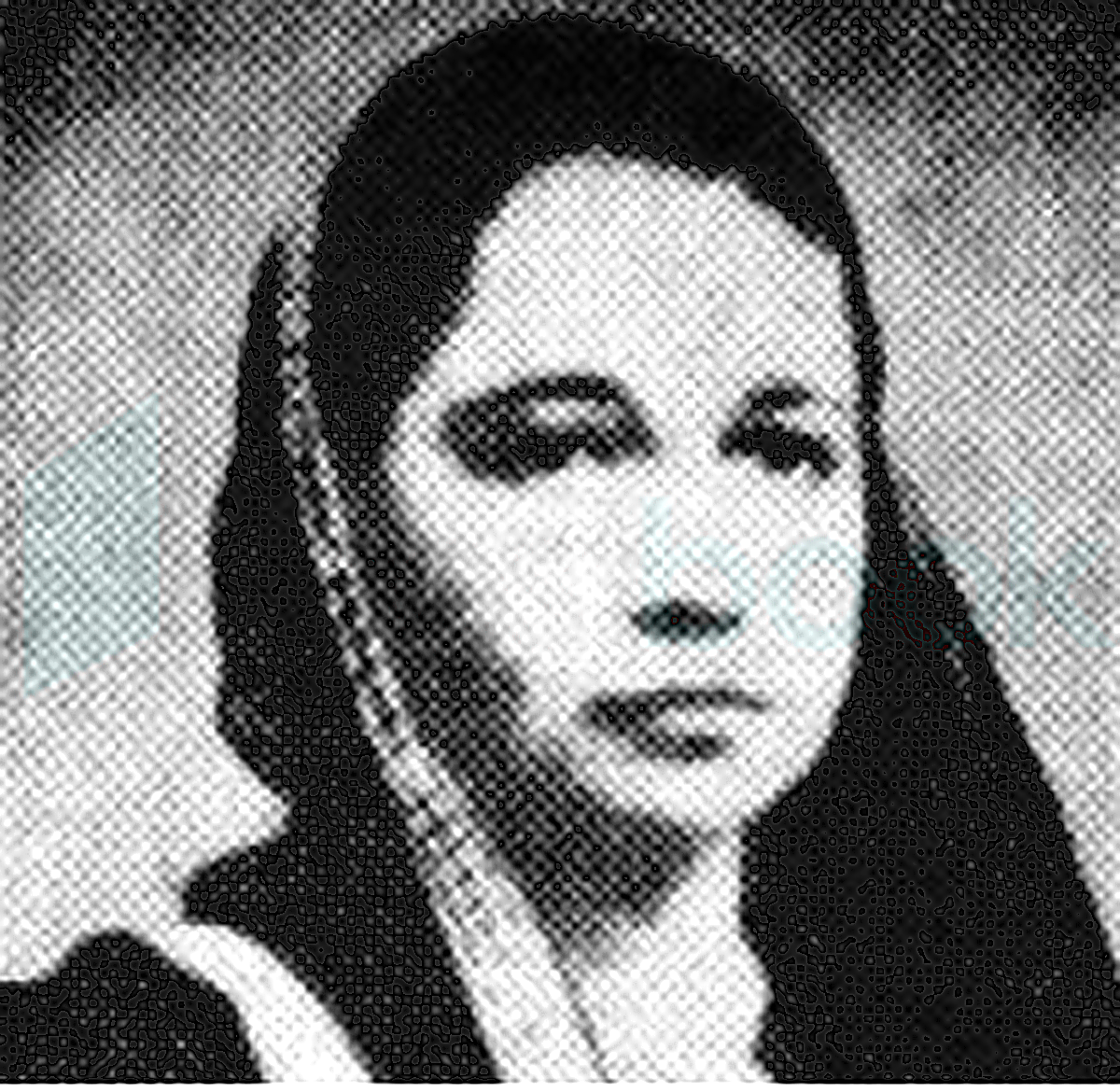
सविस्तर स्पष्टीकरण (Detailed Explanation):
अचूक उत्तर: पर्याय (1)
१. कालानुक्रम व अचूक वर्ष/तारीख: मादाम भिकाजी रुस्तम कामा यांचा जन्म २४ सप्टेंबर १८६१ रोजी मुंबई येथे झाला. त्यांनी परदेशात राहून भारतीय स्वातंत्र्याच्या विचारांचा प्रचार केला. २२ ऑगस्ट १९०७ रोजी जर्मनीतील स्टुटगार्ट येथे भरलेल्या आंतरराष्ट्रीय समाजवादी परिषदेत त्यांनी भारतीय स्वातंत्र्याचे प्रतीक असलेला ध्वज प्रदर्शित केला. ही घटना भारतीय स्वातंत्र्यलढ्याच्या आंतरराष्ट्रीय प्रचाराच्या दृष्टीने महत्त्वाची होती. त्यांचे निधन १३ ऑगस्ट १९३६ रोजी झाले.
२. नेते, संस्था, अधिवेशने व वृत्तपत्रे: मादाम कामा यांनी दादाभाई नौरोजी यांच्यासह भारतीय राष्ट्रवादी विचारांच्या प्रसारासाठी कार्य केले. त्यांनी युरोपमध्ये राहून भारतीय क्रांतिकारकांना मदत केली आणि ब्रिटिश वसाहतवादी राजवटीविरुद्ध जनमत निर्माण करण्याचा प्रयत्न केला. १९०७ मधील स्टुटगार्ट परिषद ही त्यांच्या आंतरराष्ट्रीय कार्यातील महत्त्वाची घटना होती. त्या भारतीय स्वातंत्र्यलढ्यातील परदेशस्थ क्रांतिकारकांपैकी एक प्रमुख व्यक्ती होत्या.
३. महाराष्ट्राचा विशेष संदर्भ व ऐतिहासिक महत्त्व: मुंबईत जन्मलेल्या मादाम कामा यांनी महाराष्ट्राच्या राष्ट्रवादी परंपरेला आंतरराष्ट्रीय स्तरावर प्रतिष्ठा मिळवून दिली. भारतीय स्वातंत्र्याचा संदेश परदेशात पोहोचवणे, क्रांतिकारकांना सहकार्य करणे आणि भारताच्या राजकीय स्वातंत्र्याचा मुद्दा जागतिक व्यासपीठावर मांडणे हे त्यांचे प्रमुख योगदान होते. त्यांना 'भारतीय क्रांतीची जननी' म्हणून संबोधले जाते. तथापि, १९०७ मध्ये त्यांनी जर्मन संसदेवर ध्वज फडकावला, असे म्हणणे अचूक नाही; हा प्रसंग स्टुटगार्ट येथील आंतरराष्ट्रीय समाजवादी परिषदेशी संबंधित आहे.
1. Chronological timeline and exact dates: Madam Bhikaiji Rustom Cama was born in Bombay on 24 September 1861. She worked abroad to promote the cause of Indian independence. On 22 August 1907, at the International Socialist Congress held in Stuttgart, Germany, she displayed a flag representing Indian independence. This event was significant in taking India's freedom struggle to an international audience. She died on 13 August 1936.
2. Leaders, organizations, conferences and publications: Madam Cama worked to promote Indian nationalist ideas alongside figures such as Dadabhai Naoroji. Based in Europe for much of her revolutionary work, she supported Indian revolutionaries and sought to build international opposition to British colonial rule. The 1907 Stuttgart conference was a landmark in her international advocacy. She remains one of the prominent Indian revolutionary nationalists who worked outside India.
3. Maharashtra-specific context and historical significance: Born in Bombay, Madam Cama contributed to the international visibility of the nationalist tradition associated with Maharashtra. Her major contributions included publicizing India's demand for independence abroad, supporting revolutionaries and raising the issue of colonial rule on international platforms. She is widely known as the 'Mother of Indian Revolution'. However, the claim that she hoisted the flag over the German Parliament is inaccurate; the well-known incident took place at the International Socialist Congress in Stuttgart.
स्पष्टीकरण आकृती (Solution Visual Diagram):
मादाम कामा, ॲनी बेझंट आणि बेगम हजरत महल या तिन्ही महिला स्वातंत्र्यलढ्यातील महत्त्वाच्या व्यक्ती असल्या, तरी त्यांचे कार्य वेगवेगळ्या ऐतिहासिक टप्प्यांशी संबंधित आहे. बेगम हजरत महल यांचा संबंध १८५७ च्या उठावाशी, मादाम कामा यांचा परदेशातील क्रांतिकारक राष्ट्रवादी प्रचाराशी आणि ॲनी बेझंट यांचा १९१६ मधील होमरूल चळवळीशी जोडला जातो. कनकलता बरुआ यांचे बलिदान १९४२ मधील भारत छोडो आंदोलनात झाले. तसेच, स्टुटगार्ट येथील परिषदेत ध्वज प्रदर्शित करण्याची घटना आणि जर्मन संसदेवर ध्वज फडकावण्याची घटना यांची गल्लत करू नये.
Do not confuse women associated with different phases of the freedom struggle. Begum Hazrat Mahal belongs to the Revolt of 1857; Madam Cama is associated with revolutionary nationalist advocacy abroad; Annie Besant is closely associated with the Home Rule movement of 1916; and Kanaklata Barua was martyred during the Quit India Movement in 1942. Another common factual trap is to say that Madam Cama hoisted the flag over the German Parliament. The documented historical association is with the International Socialist Congress at Stuttgart in 1907.
स्मरणसूत्र: 'कामा–स्टुटगार्ट–१९०७; बेझंट–होमरूल–१९१६; कनकलता–भारत छोडो–१९४२.' बेगम हजरत महल यांना १८५७ च्या उठावाशी जोडून लक्षात ठेवा. मुंबईत जन्मलेल्या मादाम कामा यांनी परदेशातून भारतीय स्वातंत्र्याची बाजू मांडली.
Chronology mnemonic: 'Cama–Stuttgart–1907; Besant–Home Rule–1916; Kanaklata–Quit India–1942.' Associate Begum Hazrat Mahal with the Revolt of 1857. Remember that Cama was born in Bombay and promoted India's independence internationally.
पर्याय २: डॉ. ॲनी बेझंट या थिऑसॉफिकल सोसायटीच्या प्रमुख नेत्या, होमरूल चळवळीच्या प्रवर्तकांपैकी एक आणि १९१७ मध्ये भारतीय राष्ट्रीय काँग्रेसच्या अध्यक्षा होत्या. त्यांनी 'कॉमनवील' आणि 'न्यू इंडिया' या वृत्तपत्रांद्वारे राष्ट्रवादी विचारांचा प्रसार केला; मात्र 'भारतीय क्रांतीची जननी' ही उपाधी त्यांच्याशी संबंधित नाही.
पर्याय ३: कनकलता बरुआ या आसाममधील तरुण स्वातंत्र्यसैनिक होत्या. २० सप्टेंबर १९४२ रोजी भारत छोडो आंदोलनादरम्यान गोहपूर पोलीस ठाण्याकडे राष्ट्रध्वज घेऊन जाणाऱ्या मिरवणुकीचे नेतृत्व करताना ब्रिटिश पोलिसांच्या गोळीबारात त्या शहीद झाल्या. ही घटना १९१९ नंतरची आहे.
पर्याय ४: बेगम हजरत महल यांनी १८५७ च्या उठावात अवधमध्ये ब्रिटिशांविरुद्ध नेतृत्व केले. त्या अवधचे नवाब वाजिद अली शाह यांच्या पत्नी होत्या आणि त्यांनी लखनौ परिसरातील प्रतिकारात महत्त्वाची भूमिका बजावली. त्यांचा संबंध १८५७ च्या उठावाशी आहे, 'भारतीय क्रांतीची जननी' या उपाधीशी नाही.
Option 2: Dr. Annie Besant was a leading figure in the Theosophical Society, a prominent advocate of the Home Rule movement and president of the Indian National Congress in 1917. She promoted nationalist ideas through publications such as Commonweal and New India. However, she is not the woman commonly known as the 'Mother of Indian Revolution'.
Option 3: Kanaklata Barua was a young freedom fighter from Assam. On 20 September 1942, during the Quit India Movement, she led a procession carrying the national flag towards Gohpur Police Station and was killed by British police gunfire. Her martyrdom occurred well after the 1885–1919 period.
Option 4: Begum Hazrat Mahal played a major role in the Revolt of 1857 in Awadh against British rule. She was the wife of Nawab Wajid Ali Shah and helped lead resistance in the Lucknow region. Her historical association is with the Revolt of 1857, not the title 'Mother of Indian Revolution'.