
General Science
Classification of Elements and Periodicity in Properties
पडताळलेले उत्तर (Verified)
MPSC सराव प्रश्न:
दुसऱ्या आवर्तातील मूलद्रव्याना ________म्हणून ओळखले जाते.
Elements of II^(nd) period are known as _________.
पर्याय (Options):
A
प्ररूपी मूलद्रव्य
B
अचूक उत्तर (Official Answer)
सेतु मूलद्रव्य
C
संक्रमणशील मूलद्रव्य
D
सामान्य मूलद्रव्य
सविस्तर स्पष्टीकरण (Detailed Explanation):
अचूक उत्तर: पर्याय (2)
योग्य उत्तर सेतु मूलद्रव्य आहे.
स्पष्टीकरण:
• मोस्ले याने आधुनिक दीर्घ स्वरूपाची आवर्त सारणी दिली होती ज्यात अणुअंक हा वर्गीकरणाचा पाया आहे.
• मोस्लेच्या आवर्त नियमानुसार, मूलद्रव्यांचे भौतिक व रासायनिक गुणधर्म हे त्यांच्या अणुक्रमांकाचे आवर्ती कार्य आहे.
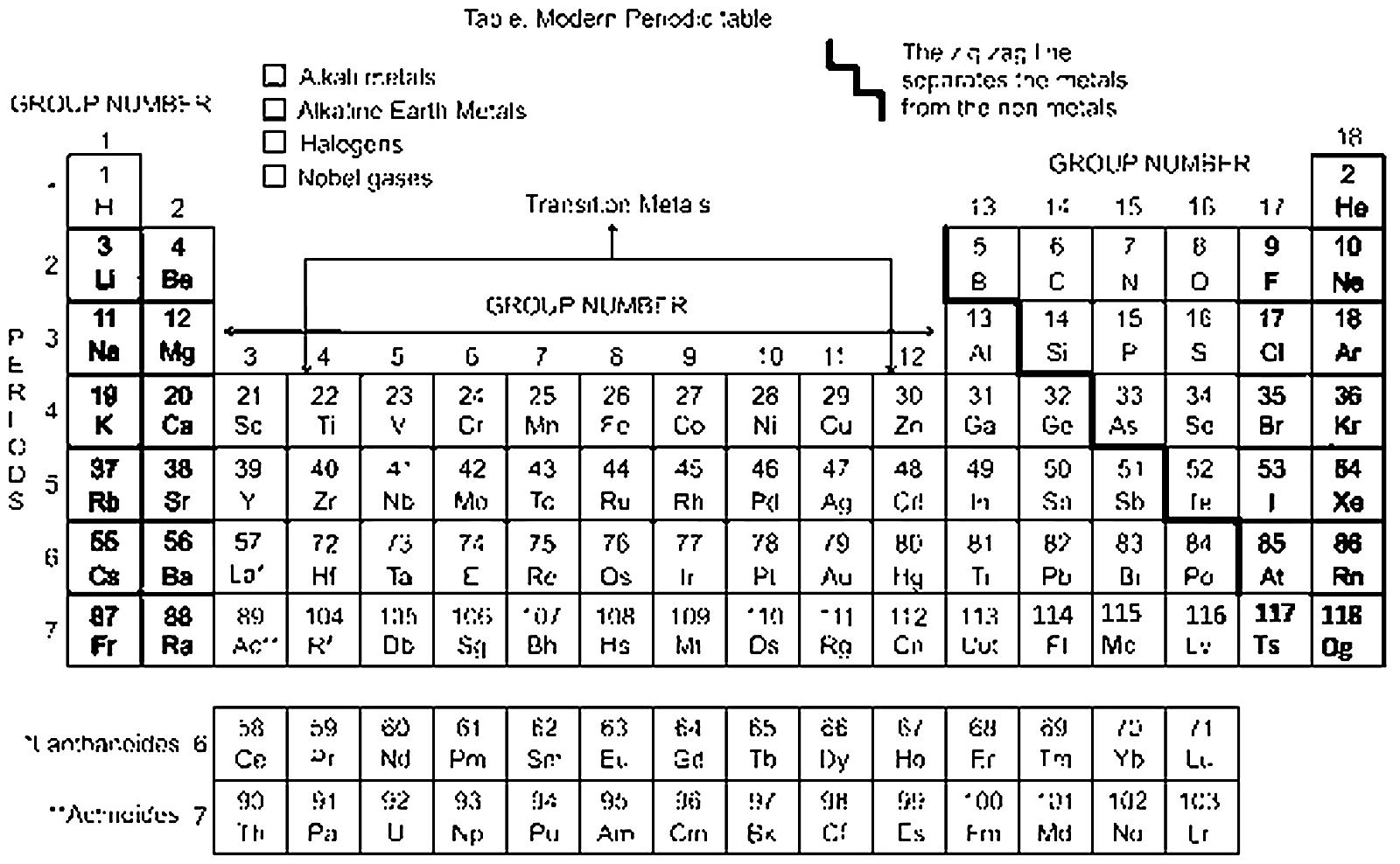
• दीर्घ-स्वरुपातील आवर्त सारणीमध्ये, आडव्या पंक्तींना आवर्त आणि उभ्या पंक्तींना गट म्हणतात.
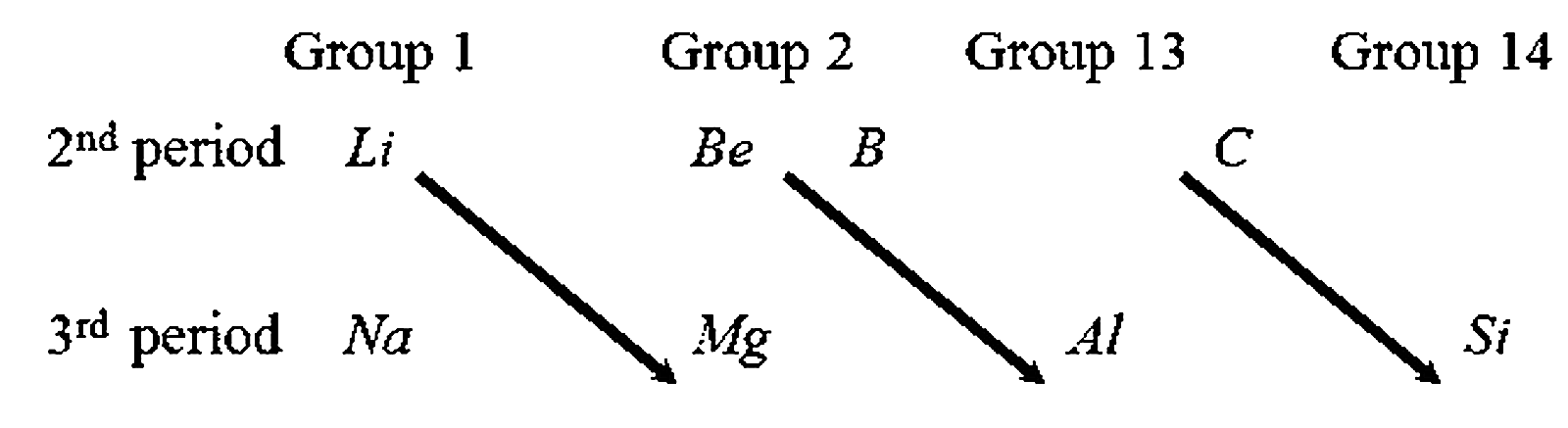
• आवर्त सारणीच्या दुसऱ्या आणि तिसऱ्या कालावधीत (प्रथम 20 घटक) कर्णरेषाशी संबंधित घटकांच्या काही जोड्या दरम्यान कर्ण संबंध असल्याचे म्हटले जाते.
• ह्या जोड्या (लिथियम (Li) आणि मॅग्नेशियम (Mg), बेरेलियम (Be), आणि अल्युमिनियम (Al), बोरॉन (B) आणि सिलिकॉन (Si) आहेत.
• उदाहरणार्थ, लिथियम आणि मॅग्नेशियम समान गुणधर्म दर्शवित आहेत, म्हणून दुसऱ्या-आवर्तातील घटक सेतु घटक म्हणून ओळखले जातात.
• सेतु घटक म्हणजे एका बाजूला क्षार आणि क्षार पृथ्वी धातू (गट 1 आणि 2) आणि दुसरीकडे मेटलॉइड्स / अधातू (गट 13 - 18) मधील अंतर आहे.
• तिसर्या आवर्तातील घटक (Na, Mg, Al,Si,P,S,Cl) यांना टायपिकल घटक म्हणतात. त्यांना असे म्हटले जाते कारण ते त्यांच्या स्वतःच्या गटाच्या मालमत्तेचे प्रतिनिधित्व करतात.
• संक्रमण घटक आवर्त सारणीमध्ये d -ब्लॉकच्या घटकांचा संदर्भ घेतात कारण त्यांची अस्थिरता संक्रमणे दर्शविते.
• आवर्त सारणीतील s- आणि p-ब्लॉक्सच्या घटकांना सामान्य घटक किंवा मुख्य गट घटक म्हणतात.
तर, दुसऱ्या आवर्ताचे घटक सेतु घटक म्हणून ओळखले जातात.
स्पष्टीकरण आकृती (Solution Visual Diagram):
Solution Diagram
Solution Diagram