
General Science
Human body
पडताळलेले उत्तर (Verified)
MPSC सराव प्रश्न:
मानवी शरीरात, अन्न एका अखंड कालव्यातून जाते जे ______ पासून सुरू होते आणि गुदद्वारापाशी संपते.
In human body, the food passes through a continuous canal which begins at ______ and ends at anus.
पर्याय (Options):
A
पोट
B
अचूक उत्तर (Official Answer)
बुक्कल पोकळी
C
अन्न नलिका
D
गुदाशय
सविस्तर स्पष्टीकरण (Detailed Explanation):
अचूक उत्तर: पर्याय (2)
योग्य उत्तर बुक्कल पोकळी आहे.
स्पष्टीकरण आणि महत्त्वाचे मुद्दे:
• मानवी पचनसंस्थेमध्ये एक सतत कालवा असतो ज्यातून अन्न जातो.
• कालवा बुक्कल पोकळीपासून सुरू होतो आणि गुद्द्वार येथे संपतो.
• मानवी पचनसंस्था-
• मानवी पचनसंस्थेमध्ये पचन प्रक्रियेत गुंतलेली अनेक अवयव आणि संरचना असतात.
• कालवा बुक्कल पोकळीपासून सुरू होतो, ज्याला तोंड किंवा तोंडी पोकळी देखील म्हणतात, जिथे अन्न शरीरात प्रवेश करते.
• चघळल्यानंतर आणि लाळेमध्ये मिसळल्यानंतर, अन्न एका लहान, मऊ वस्तुमानात तयार होते ज्याला बोलस म्हणतात.
• बोलस नंतर घशातून जातो, जो बुक्कल पोकळी आणि अन्ननलिका यांच्यातील जंक्शन आहे.
• घशातून, अन्न अन्ननलिकेतून खाली जाते, ज्याला अन्ननलिका किंवा गुलेट असेही म्हणतात.
• अन्ननलिका ही एक स्नायूची नलिका आहे जी लयबद्ध आकुंचनाद्वारे पोटाकडे अन्न पाठवते ज्याला पेरिस्टॅलिसिस म्हणतात.
• एकदा अन्न पोटात पोचले की, पोटातील आम्ल आणि एन्झाईम्सच्या क्रियेद्वारे त्याचे आणखी पचन होते.
• पोट अन्नाला जठराच्या रसात मिसळते आणि काईम नावाच्या अर्ध-द्रव मिश्रणात मोडते.
• काइम नंतर हळूहळू लहान आतड्यात सोडले जाते, पाचनमार्गाचा सर्वात लांब भाग.
• लहान आतड्यात, बहुसंख्य पोषक तत्वांचे शोषण होते, ज्याला विली नावाच्या विशेष रचनांद्वारे मदत होते.
• लहान आतड्यात तीन विभाग असतात: ड्युओडेनम, जेजुनम आणि इलियम.
• लहान आतड्यातून गेल्यानंतर, उरलेला कचरा मोठ्या आतड्यात प्रवेश करतो, ज्याला कोलन देखील म्हणतात.
• मोठ्या आतड्यात, कचऱ्यापासून पाणी आणि इलेक्ट्रोलाइट्स शोषले जातात, घन विष्ठा तयार करतात.
• मलविसर्जनाच्या प्रक्रियेदरम्यान गुदद्वाराद्वारे शरीरातून काढून टाकेपर्यंत मल गुदाशयात साठवले जाते.
स्पष्टीकरण आकृती (Solution Visual Diagram):
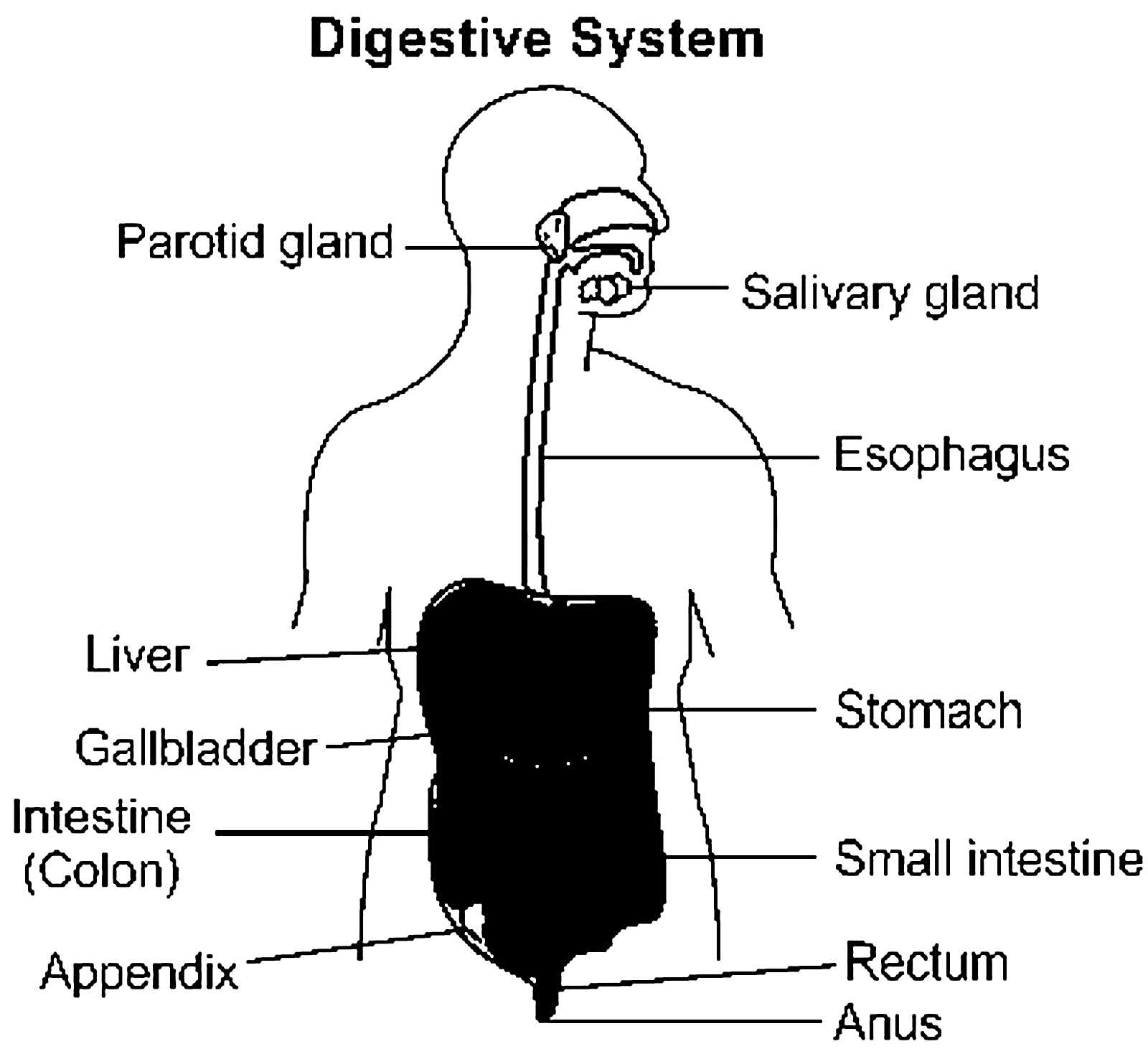
Solution Diagram