
Logical Reasoning
Critical Reasoning: Statement-Assumption, Cause-Effect
FMT-01
पडताळलेले उत्तर (Verified)
MPSC सराव प्रश्न:
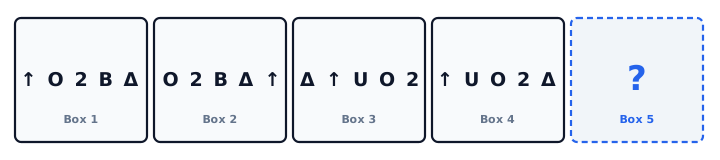
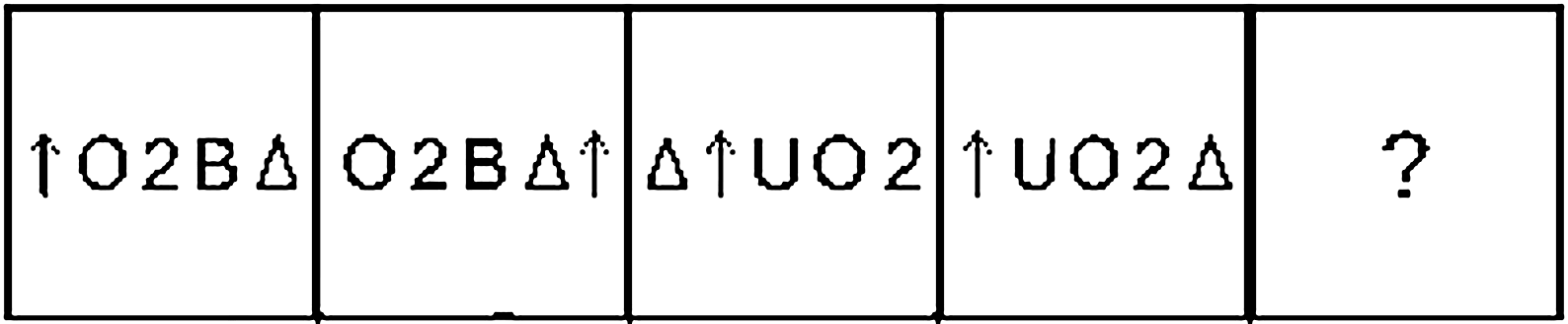
मालिका चालू ठेवायची असल्यास प्रश्नचिन्ह (?) च्या जागी कोणती आकृती असावी?
Which figure should replace the question mark (?) if the series were to be continued?
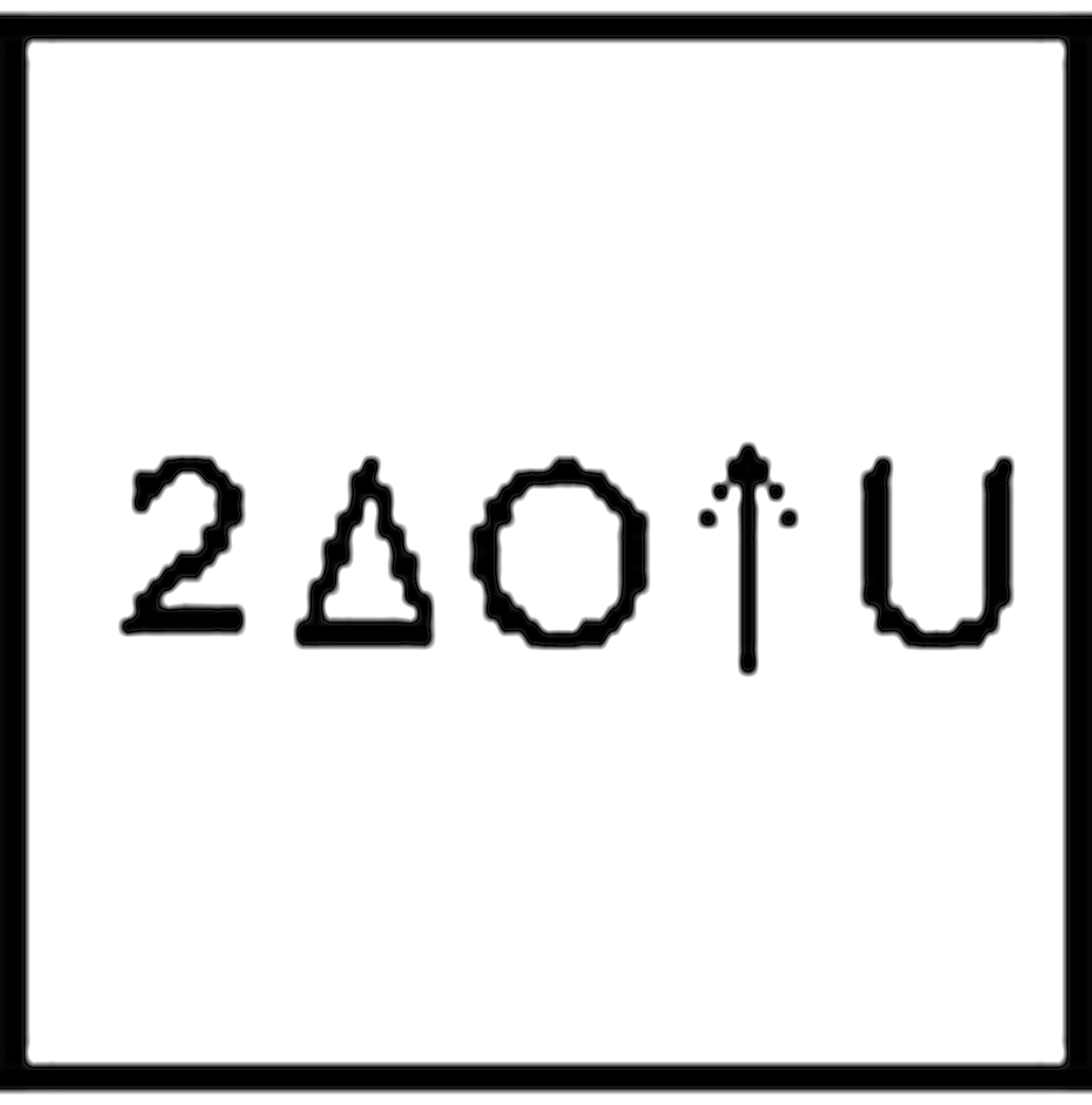
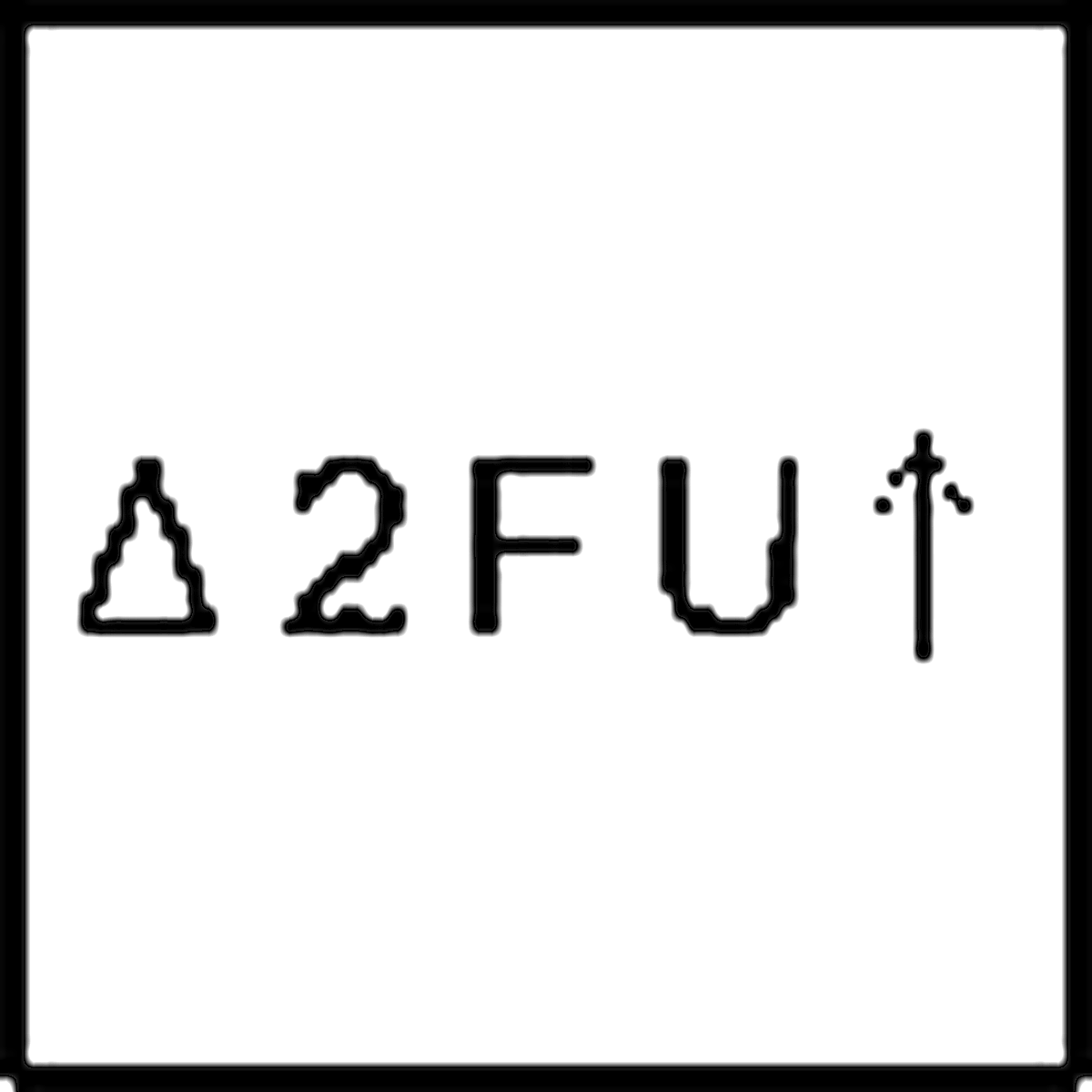

पर्याय (Options):
A
B
अचूक उत्तर (Official Answer)
C
D
सविस्तर स्पष्टीकरण (Detailed Explanation):
अचूक उत्तर: पर्याय (2)
दिलेल्या आकृती मालिकेत पाच घटकांसाठी दोन टप्प्यांचा एकाआड-एक (Alternating) निश्चित नियम लागू होतो:
1. विषम टप्पे (चौकट 1 → 2 आणि चौकट 3 → 4):
- सर्वात डावीकडील पहिले चिन्ह (स्थान 1) थेट उजव्या टोकाला (स्थान 5 वर) जाते.
- उर्वरित सर्व 4 चिन्हे डावीकडे 1 स्थानाने सरकतात.
$$\text{चौकट 1: } [\uparrow, \text{O}, 2, \text{B}, \Delta] \longrightarrow \text{चौकट 2: } [\text{O}, 2, \text{B}, \Delta, \uparrow]$$
$$\text{चौकट 3: } [\Delta, \uparrow, \text{U}, \text{O}, 2] \longrightarrow \text{चौकट 4: } [\uparrow, \text{U}, \text{O}, 2, \Delta]$$
2. सम टप्पे (चौकट 2 → 3 आणि चौकट 4 → 5):
- शेवटची दोन चिन्हे (स्थान 4 व 5) सुरुवातीला (स्थान 1 व 2 वर) येतात.
- सुरुवातीची दोन चिन्हे (स्थान 1 व 2) शेवटी (स्थान 4 व 5 वर) जातात.
- मधले चिन्ह (स्थान 3) पूर्णपणे नवीन चिन्हाने बदलले जाते (उदा. चौकट 2 → 3 मध्ये 'B' ऐवजी नवीन अक्षर 'U' आले; चौकट 4 → 5 मध्ये 'O' ऐवजी नवीन चिन्ह '☆' येते).
चौकट 4 वरील नियम लागू करताना:
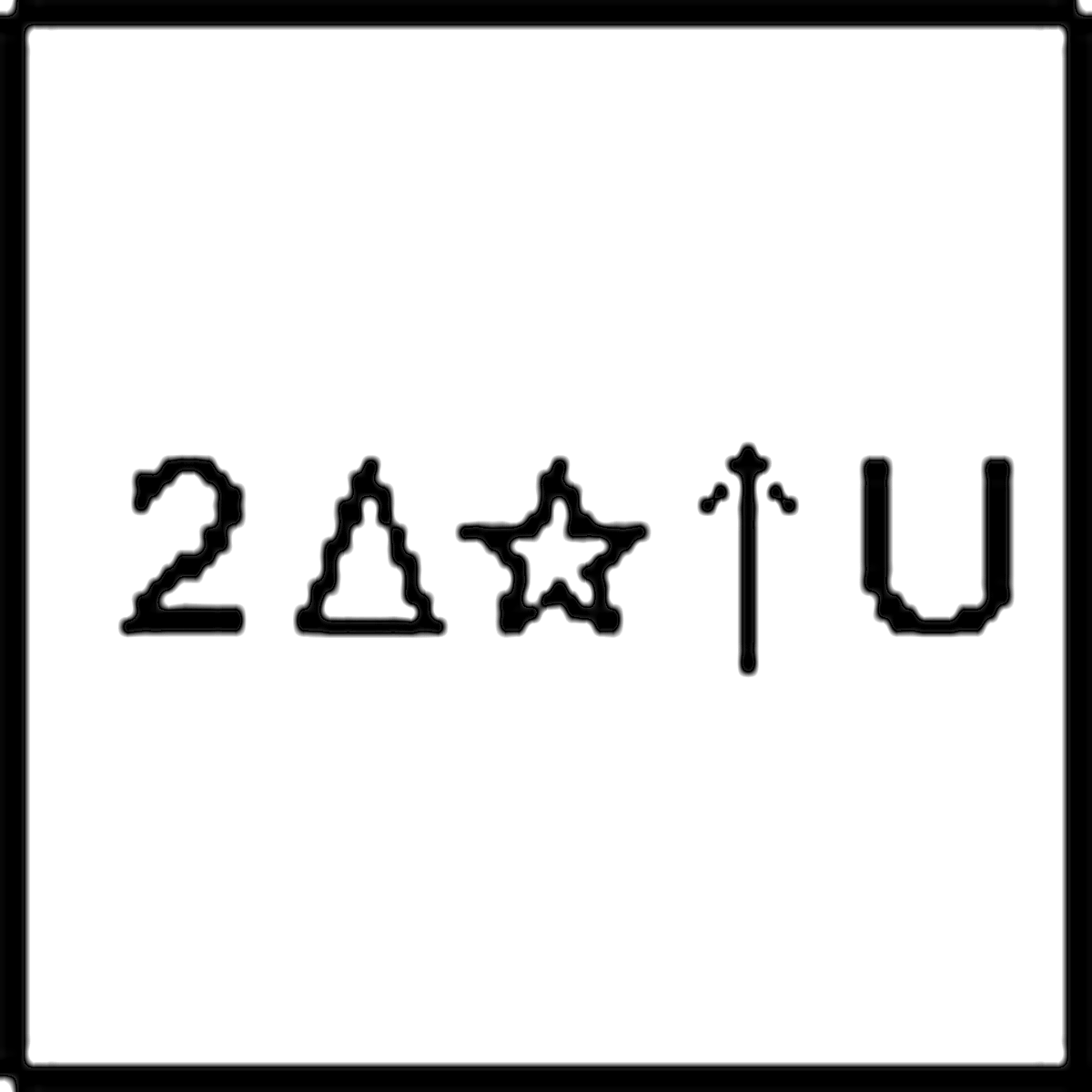
- शेवटची चिन्हे $[2, \Delta]$ पुढे येतात $\to$ 2 Δ
- मधले 'O' बदलून नवीन चिन्ह येते $\to$ ☆
- सुरुवातीची चिन्हे $[\uparrow, \text{U}]$ मागे जातात $\to$ ↑ U
म्हणून मिळणारा अचूक क्रम: 2 Δ ☆ ↑ U (पर्याय 2).
स्पष्टीकरण आकृती (Solution Visual Diagram):
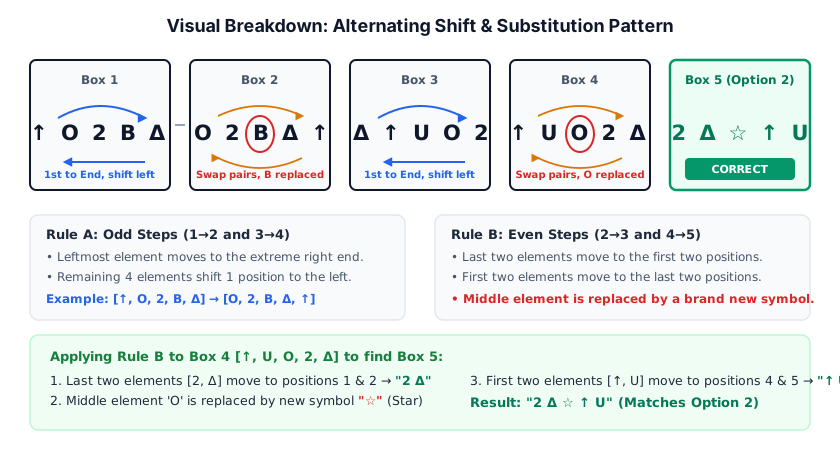

स्पष्टीकरणाची आकृती / संदर्भ तक्ता
परीक्षेतील संभाव्य चूक / Exam Trap:
विद्यार्थी सहसा सम टप्प्यात बाहेरच्या चिन्हांची अदलाबदल ओळखतात, परंतु मधल्या चिन्हाच्या जागी नवीन चिन्ह येण्याचा नियम विसरून पर्याय 3 निवडण्याची चूक करतात. मधले अक्षर बदलणे अत्यंत महत्त्वाचे आहे.
स्मृती क्लृप्ती / Memory Booster & Mnemonic:
विषम = डावीकडे 1 घर चक्राकार; सम = कडेच्या जोड्यांची अदलाबदल + मधोमध नवीन चिन्ह!
पर्याय निर्मूलन पद्धत / Option Elimination Strategy:
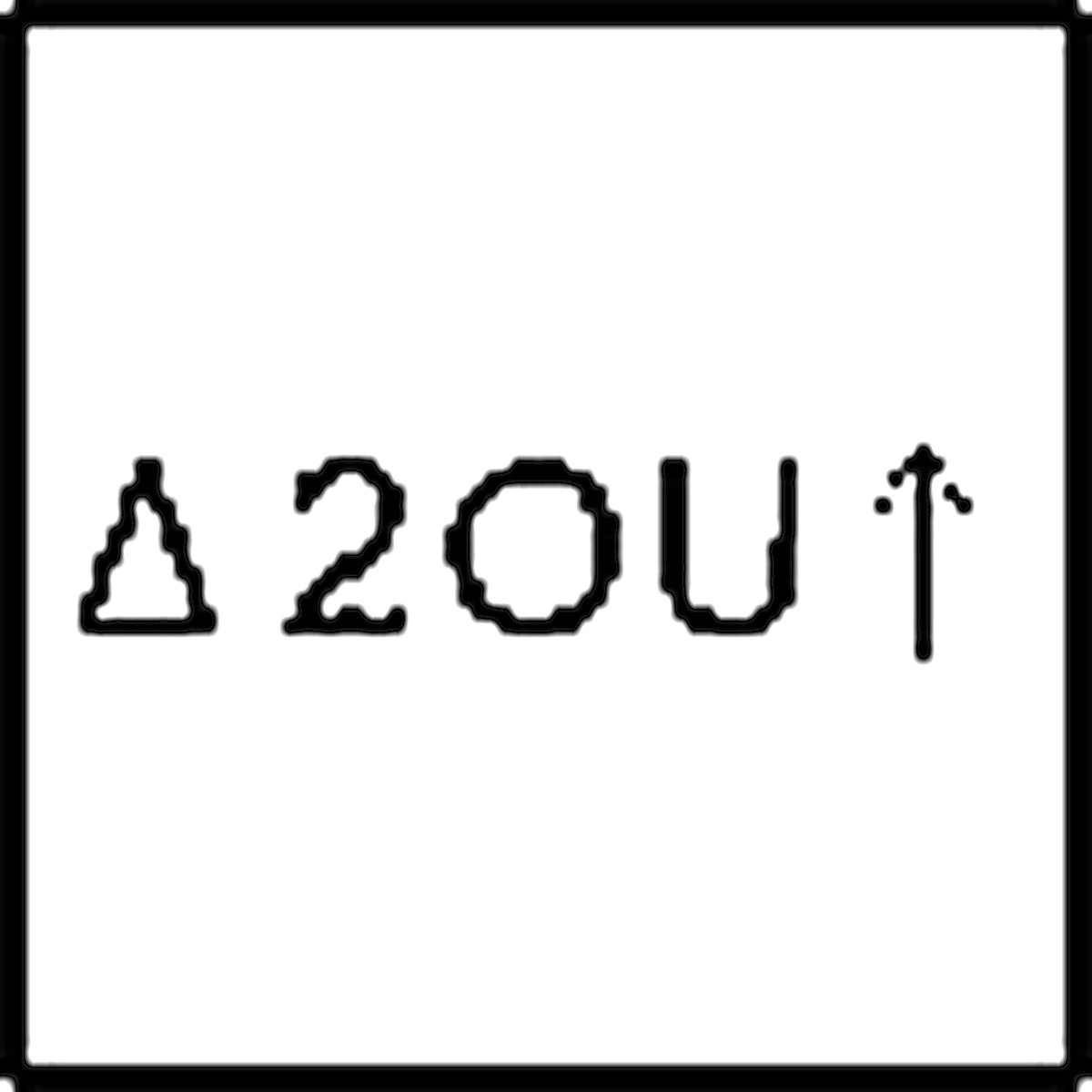
- पर्याय 1 (Δ 2 O U ↑): चुकीचा. यात $[2, \Delta]$ ऐवजी क्रम उलटा $[\Delta, 2]$ केला आहे आणि मधले 'O' बदललेले नाही. - पर्याय 3 (2 Δ O ↑ U): चुकीचा. यात बाहेरच्या जोड्यांची जागा योग्य असली तरी मधले अक्षर 'O' तसेच ठेवले आहे; नियमानुसार ते नवीन चिन्हाने (☆) बदलणे आवश्यक आहे. - पर्याय 4 (Δ 2 F U ↑): चुकीचा. चिन्हांचा सुरुवातीचा व शेवटचा क्रम नियमांशी जुळत नाही.