
Geography
Climatology
पडताळलेले उत्तर (Verified)
MPSC सराव प्रश्न:
पश्चिमी विक्षोभ हे बाह्य उष्णकटिबंधीय वादळे आहेत, जे भारताच्या उत्तरेकडील भागांमध्ये अचानक हिवाळ्यात पाऊस आणतात. त्यांची निर्मिती _______ मध्ये होते.
Western disturbances are extratropical storms that bring sudden winter rain to the northern parts of India. They originate in ______.
पर्याय (Options):
A
कॅस्पियन समुद्र
B
अरबी समुद्र
C
अचूक उत्तर (Official Answer)
भूमध्य समुद्र
D
पूर्व चीन समुद्र
सविस्तर स्पष्टीकरण (Detailed Explanation):
अचूक उत्तर: पर्याय (3)
योग्य उत्तर भूमध्य समुद्र आहे.
स्पष्टीकरण आणि महत्त्वाचे मुद्दे:
पश्चिमी विक्षोभ ही बाह्य उष्णकटिबंधीय वादळे आहेत, जी भारताच्या उत्तरेकडील भागांमध्ये अचानक हिवाळ्यात पाऊस आणतात. त्यांची निर्मिती भूमध्य समुद्रात होते.
पश्चिमी विक्षोभ
• पश्चिमी विक्षोभ हे कर्कवृत्ताच्या उत्तरेकडे स्थित मध्य-अक्षांश प्रदेशात तयार होतात. यामुळे त्यांना मध्य-अक्षांश वादळे किंवा अतिरिक्त-उष्णकटिबंधीय वादळे असे संबोधले जाते.
• पश्चिमी विक्षोभ हे कमी-दाबाचे प्रणाली असून, पश्चिमी वाऱ्यांमध्ये (westerlies) रुजलेले असतात, जे पश्चिमेकडून पूर्वेकडे वाहतात.
भारतात आगमन
• पश्चिमी विक्षोभ अटलांटिक महासागर आणि युरोपजवळच्या मध्य-अक्षांश प्रदेशात कमी-दाबाची प्रणाली म्हणून सुरू होतात.
• हा कमी दाब सामान्यतः भूमध्य समुद्रावर तयार होतो आणि इराण, इराक, अफगाणिस्तान आणि पाकिस्तानमधून प्रवास करून भारतात ओलावा घेऊन प्रवेश करतो.
• हे ओलावायुक्त पश्चिमी विक्षोभ शेवटी हिमालयाच्या विरोधात येतात आणि अडवले जातात, परिणामी ओलावा अडकतो आणि उत्तर-पश्चिम भारत तसेच उत्तर भारताच्या इतर भागांमध्ये बर्फ आणि पावसाच्या स्वरूपात पर्जन्यवृष्टी होते.
• हिवाळ्याच्या हंगामात सरासरी 4-5 पश्चिमी विक्षोभ तयार होतात आणि प्रत्येक पश्चिमी विक्षोभासह पावसाचे वितरण आणि प्रमाण बदलते.
• 'पश्चिमी' (Western) हा शब्द भारतात त्यांच्या निर्मितीच्या दिशेचा संदर्भ देतो.
• 'विक्षोभ' (disturbance) हा शब्द वापरला जातो कारण कमी-दाबाच्या प्रणालींमधील हवा अस्थिर किंवा विक्षुब्ध असते.
• जेव्हा भारतीय प्रदेशात पश्चिमी विक्षोभ अधिक तीव्र होतात, तेव्हा ते 15 अंश उत्तरेपर्यंत पसरू शकतात, ज्यामुळे उत्तर महाराष्ट्र, गुजरात आणि संपूर्ण मध्य प्रदेशात दक्षिणेकडे पाऊस पडतो.
परिणाम
• पश्चिमी विक्षोभ हे उत्तर-पश्चिम भारतामध्ये हिवाळ्यात आणि मान्सूनपूर्व हंगामातील बहुतेक पावसाचे कारण आहेत.
• ही घटना सामान्यतः ढगाळ आकाश, जास्त रात्रीचे तापमान आणि असामान्य पावसाशी संबंधित असते.
• अंदाजानुसार, भारताला त्याच्या एकूण वार्षिक पावसापैकी 5-10% पाऊस पश्चिमी विक्षोभातून मिळतो.
• हिवाळ्यात, पश्चिमी वारे सखल प्रदेशात मध्यम ते जोरदार पाऊस आणि भारतीय उपखंडातील पर्वतीय प्रदेशात जोरदार बर्फवृष्टी करतात.
• भारत हा पावसावर अवलंबून असलेला देश आहे आणि नैऋत्य मान्सून भारताचा मोठा भाग व्यापत असला तरी, उत्तर भारताच्या काही भागांना त्यातून जास्त पाऊस मिळत नाही.
• हे प्रदेश नोव्हेंबर ते मार्च या हिवाळ्याच्या हंगामात पश्चिमी विक्षोभातून मिळणाऱ्या बर्फ आणि पावसावर अवलंबून असतात.
• हिवाळ्याच्या हंगामातील पर्जन्यवृष्टी विशेषतः गहू यांसारख्या रब्बी पिकांसाठी कृषी क्षेत्रात मोठे महत्त्व ठेवते, जे भारतातील सर्वात महत्त्वाच्या पिकांपैकी एक आहे.
• हिवाळ्यानंतर त्यांची तीव्रता कमी होऊ लागते.
• एप्रिल आणि मेच्या उन्हाळ्याच्या महिन्यांमध्ये, ते उत्तर भारतातून जातात आणि कधीकधी उत्तर-पश्चिम भारताच्या काही भागांमध्ये मान्सून सक्रिय करण्यास मदत करतात.
• मान्सूनच्या हंगामात, पश्चिमी विक्षोभ कधीकधी दाट ढगाळपणा आणि जोरदार पर्जन्यवृष्टीचे कारण बनू शकतात.
• कमजोर पश्चिमी विक्षोभ हे उत्तर भारतातील पीक निकामी होणे आणि पाणी समस्यांशी संबंधित आहेत.
• शक्तिशाली पश्चिमी विक्षोभ रहिवासी, शेतकरी आणि सरकार यांना पाणी टंचाईशी संबंधित अनेक समस्या टाळण्यास मदत करतात.
पूरक माहिती:
• भूमध्य समुद्र युरेशिया आणि आफ्रिका यांच्यामध्ये स्थित असून, तो बहुतांशी जमिनीने वेढलेला आहे.
• तो 21 देशांसोबत सीमा सामायिक करतो: अल्बेनिया, अल्जेरिया, बोस्निया आणि हर्जेगोविना, क्रोएशिया, सायप्रस, इजिप्त, फ्रान्स, ग्रीस, इस्त्रायल, इटली, लेबनॉन, लिबिया, माल्टा, मोनॅको, मॉंटेनेग्रो, मोरोक्को, स्लोव्हेनिया, स्पेन, सीरिया, ट्युनिशिया आणि तुर्की.
• पश्चिमेला, तो जिब्राल्टरच्या सामुद्रधुनीद्वारे अटलांटिक महासागराला जोडलेला आहे.
• पूर्वेला, तो डार्डेनेल्सच्या सामुद्रधुनीद्वारे कृष्ण समुद्राशी जोडलेला आहे.
• दक्षिणेला, तो सुएझ कालव्याद्वारे लाल समुद्राशी जोडलेला आहे.
• आफ्रिकेतील नाईल नदी भूमध्य समुद्रात मिळते.
स्पष्टीकरण आकृती (Solution Visual Diagram):
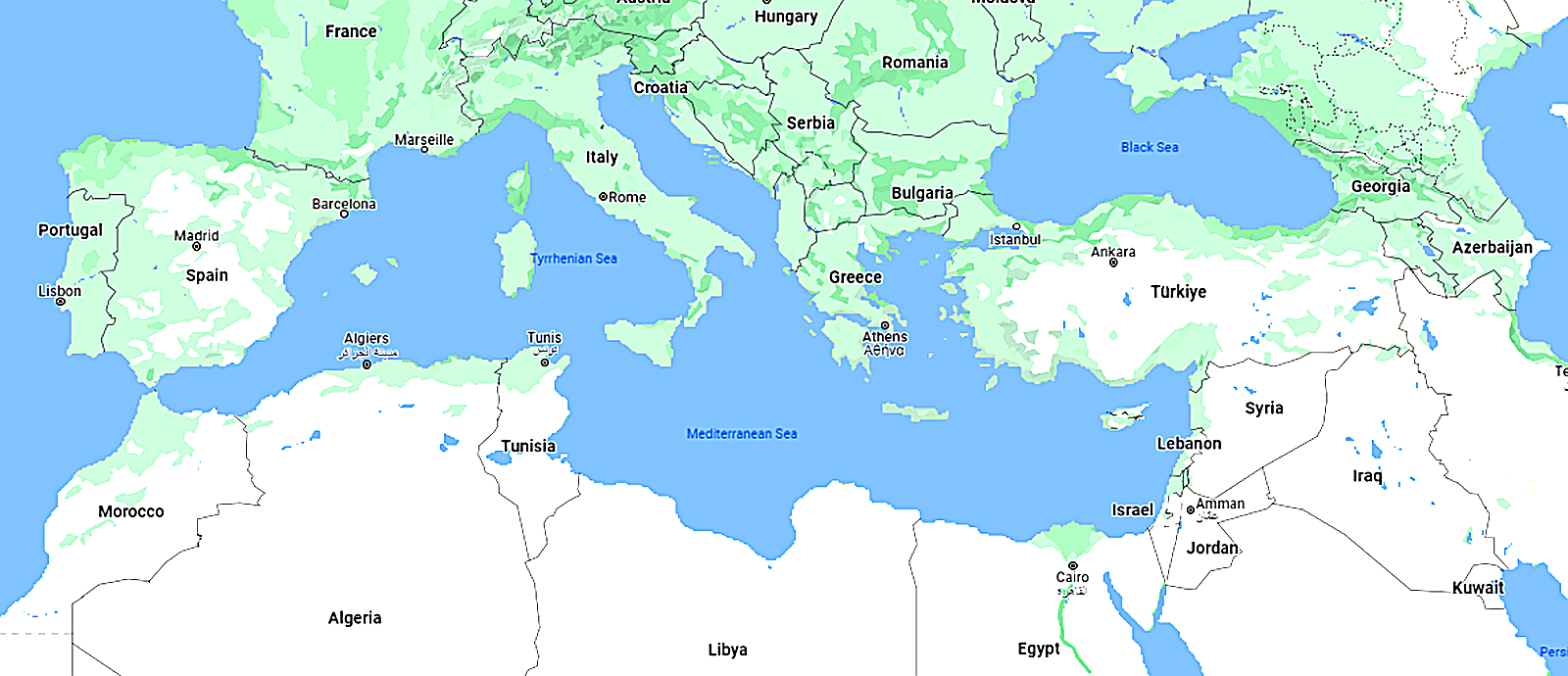
Solution Diagram